Is this guide for you?
- You wake with lower back stiffness that eases after 30–60 minutes
- Your back pain is worse on some days and you suspect your mattress is a factor
- You have been advised to consider your sleep setup by a GP or physio
- You want independent guidance rather than a retailer's recommendation
Jump to a section
Best Mattresses for Back Pain Compared
| Mattress | Construction | Firmness | Best For | Price Check |
|---|---|---|---|---|
| Nectar Classic Hybrid 25cm Mattress | Hybrid | medium firm | Best for back sleepers needing consistent overnight support. | Check current price |
| Dormeo Octasmart Hybrid Mattress | Hybrid | medium | Best for mixed sleep positions needing consistent overnight support. | Check current price |
| Simba Hybrid Pro Mattress 28cm | Hybrid | medium | Best for mixed sleep positions needing consistent overnight support. | Check current price |
Quick verdict
If you want the shortest route to the right choice, start here.
- Use Quick Buy if you already know your primary problem and want a fast shortlist now.
- Use the quiz if you need us to balance support, temperature, and budget together.
- For most shoppers, the best result is the mattress that fits your position plus body profile.
Best options at a glance
These options cover the most common buying paths for best mattress for back pain: strongest baseline fit, value route, and a balanced upgrade path.
#1 · Best overall fit for this profile
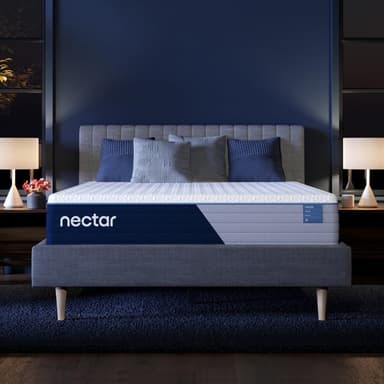
Nectar Classic Hybrid 25cm Mattress
Best for back sleepers needing consistent overnight support.
Included for better heat control and steadier overnight comfort.
Approx. £449
#2 · Best value alternative
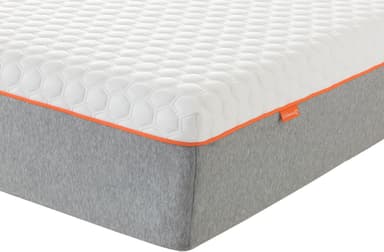
Dormeo Octasmart Hybrid Mattress
Best for mixed sleep positions needing consistent overnight support.
Included for better heat control and steadier overnight comfort.
Approx. £649
#3 · Best upgrade alternative
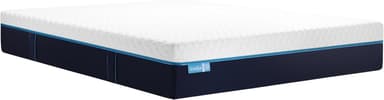
Simba Hybrid Pro Mattress 28cm
Best for mixed sleep positions needing consistent overnight support.
Included for better heat control and steadier overnight comfort.
Approx. £1099
How we ranked these options
We rank mattresses by topic-fit first, then adjust for support behaviour, motion control, temperature profile, and realistic UK budget fit.
- Topic fit first: position and problem relevance carry the highest weight.
- Performance second: support depth, motion isolation, and cooling shape rank stability.
- Value always: we keep picks actionable with real-world UK price context.
Quick Buy

Nectar Classic Hybrid 25cm Mattress
Built for stronger lumbar support with a balanced medium-firm feel.
We use this preset because this topic is mainly about lumbar support and stable medium-firm alignment.
Approx. £449
Read full guide for this topic →Shop back-support pickWant the full mattress overview?
If you want to compare the whole landscape before diving into specific sleep profiles, start with our central guide.
Read: Best Mattress guide →How the matching quiz works
- Answer a few quick questions about how you sleep
- We match against mattresses verified on UK Amazon, scoring on fit, temperature and budget
- Get a shortlist with reasons, not just a single pushed product
What does 'good for back pain' actually mean?
Marketing uses this phrase loosely, and the word 'orthopaedic' has no regulated meaning in the UK. What actually helps is a mattress that keeps your spine in alignment: the lumbar curve supported when you're on your back, the hip and shoulder allowed to sink when you're on your side, without any section of the spine sagging or being pushed upward. That requirement depends heavily on your weight, shape, and preferred sleep position — which is why there is no single mattress that is right for everyone with back pain.
How your sleep position changes what you need
The optimal mattress differs by position.
Back sleepers
The lumbar curve needs support so the lower back does not sag into the mattress. A medium or medium-firm surface usually works best. Too soft and the hips sink further than the shoulders, creating a hammock curve in the spine.
Side sleepers
The hip and shoulder need to sink in enough to keep the spine level. A medium or medium-soft mattress is usually required. Too firm and pressure builds at those joints all night.
Combination sleepers
The mattress needs to handle both scenarios. This is where hybrids (pocket springs with a foam or latex comfort layer) tend to excel — they respond more dynamically as you shift position than an all-foam mattress does.
Why firmness is not the whole story
A common piece of received wisdom says firm mattresses are better for backs. The evidence is more nuanced. A 2003 study published in The Lancet found that people with chronic non-specific low-back pain reported less pain and disability on medium-firm mattresses than firm ones. Very firm surfaces can push against the natural lumbar curve rather than supporting it. Very soft surfaces let the spine sag. The right answer for most people is somewhere in the medium range, adjusted for body weight and position.
Body weight and its effect on mattress choice
A lighter person puts less load through the comfort layer and may need a softer mattress to get the same level of pressure relief. A heavier person compresses the comfort layer more quickly and may need a firmer or deeper mattress to reach the support core before the foam bottoms out. Standard medium mattresses are generally calibrated for people around 70–85 kg. Outside that range, the ratings become less reliable.
What to watch out for when shopping
Avoid mattresses marketed solely as 'orthopaedic' without specification of spring count, foam density, or firmness rating. These terms are not regulated. Look instead for mattresses with clear construction information: comfort layer material and depth, support core type (pocket springs or foam), and an independent firmness rating. A 100-night trial or free returns policy is important because alignment problems often take a few weeks to become apparent.
Ready to stop guessing?
Answer a few quick questions and we'll match you to mattresses that fit your build, position and budget.
Start the 2-minute quizWhat our quiz looks at
- Your primary sleep position (back, side, combination)
- Body weight — affects how far you compress the comfort layer
- Whether the pain is worse in the morning or consistent through the day
- Any specific advice from a GP or physiotherapist
- Budget and trial period — essential when buying for a health concern
Frequently asked questions
Is a firm mattress better for back pain?
Not necessarily. Research suggests medium-firm mattresses tend to suit most people with lower back pain better than very firm ones. The right firmness depends on your sleep position and body weight. A mattress that is too firm can push against the lumbar curve rather than supporting it.
What does 'orthopaedic mattress' mean?
'Orthopaedic' is a marketing term with no regulated definition in the UK. It does not mean the mattress has been clinically tested or endorsed. Focus on construction details (spring count, foam density, firmness rating) rather than labels.
How long does it take to know if a mattress is helping?
Most people need at least 3–4 weeks to adapt to a new mattress. A 100-night trial period is worth prioritising when you are buying specifically to address back pain, because the difference only becomes clear after your body has had time to adjust.
Should I see a doctor before buying a new mattress?
If you have persistent or worsening back pain, a GP visit is sensible before making assumptions about the cause. A physiotherapist can often give more specific guidance on what mattress properties might help your particular situation.
Last reviewed: 18 June 2026. We update this guide when our verified UK mattress catalogue changes.